
Reflections
Short essays and studio reflections on perception, representation, architecture, photography, and the systems through which we construct meaning. These texts are not explanations of the work so much as notes from an ongoing investigation.
-

Models of Reality
We often assume that perception gives us direct access to the world. Yet what we experience is shaped by the brain’s attempt to organize incomplete and ambiguous sensory information into a coherent model of reality. Because this process is remarkably successful, the model becomes invisible. We end up mistaking interpretation for the thing itself. Take…
-
Seeing Slowly
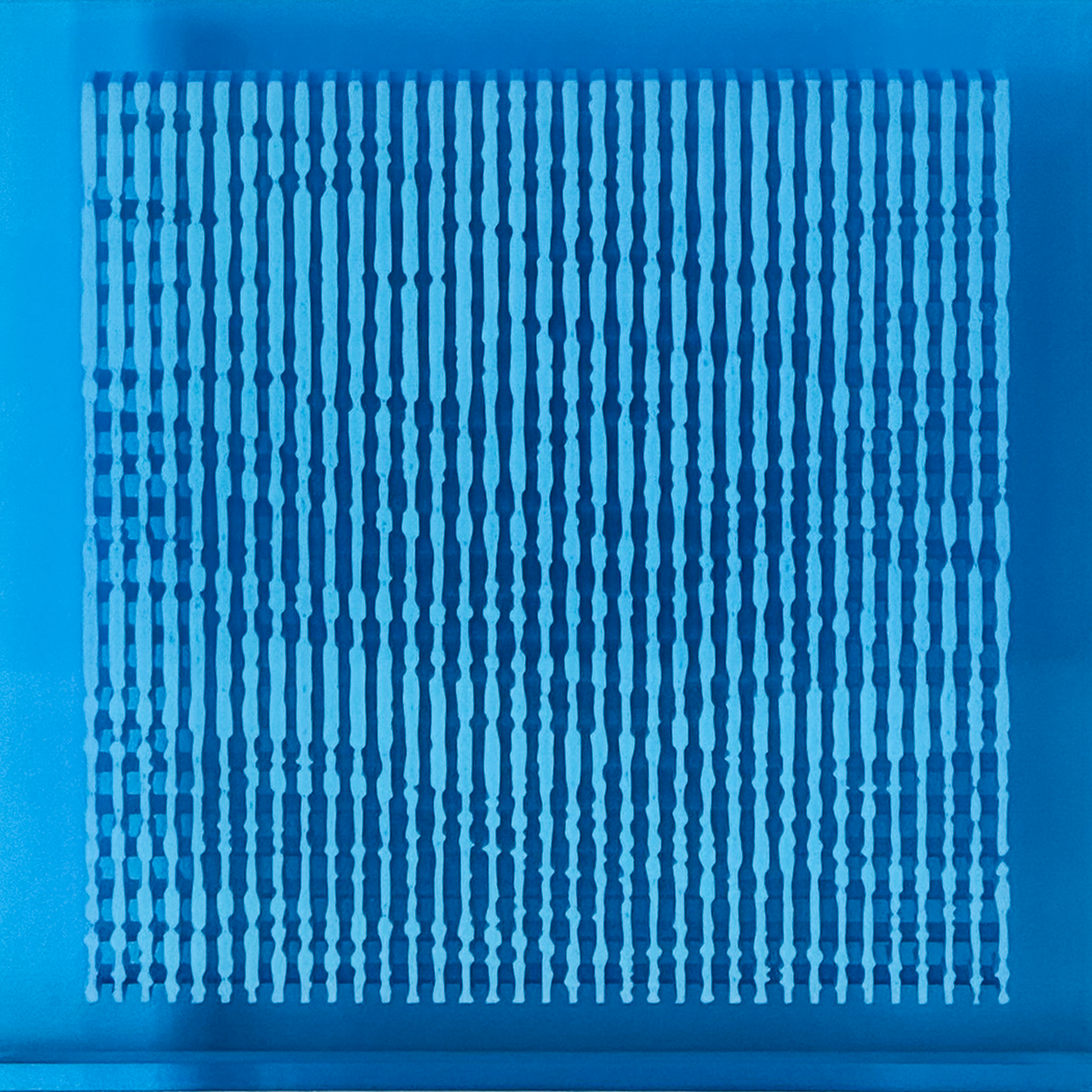
Most images today are designed for immediate recognition. We live in a time of visual speed! My work attempts the opposite. By layering incompatible systems of representation, it slows perception and resists instant comprehension. The goal is not confusion but attentiveness, to create a moment in which viewers become aware of the process of seeing…
-

Architecture and Perception
Architecture begins with an attempt to understand how people make sense of their environment. It then gives physical form to that understanding. Buildings do more than occupy space; they embody assumptions about movement, hierarchy, and meaning. My work borrows the language of architecture not to depict buildings, but to explore the human impulse to organize…
-
Clouds
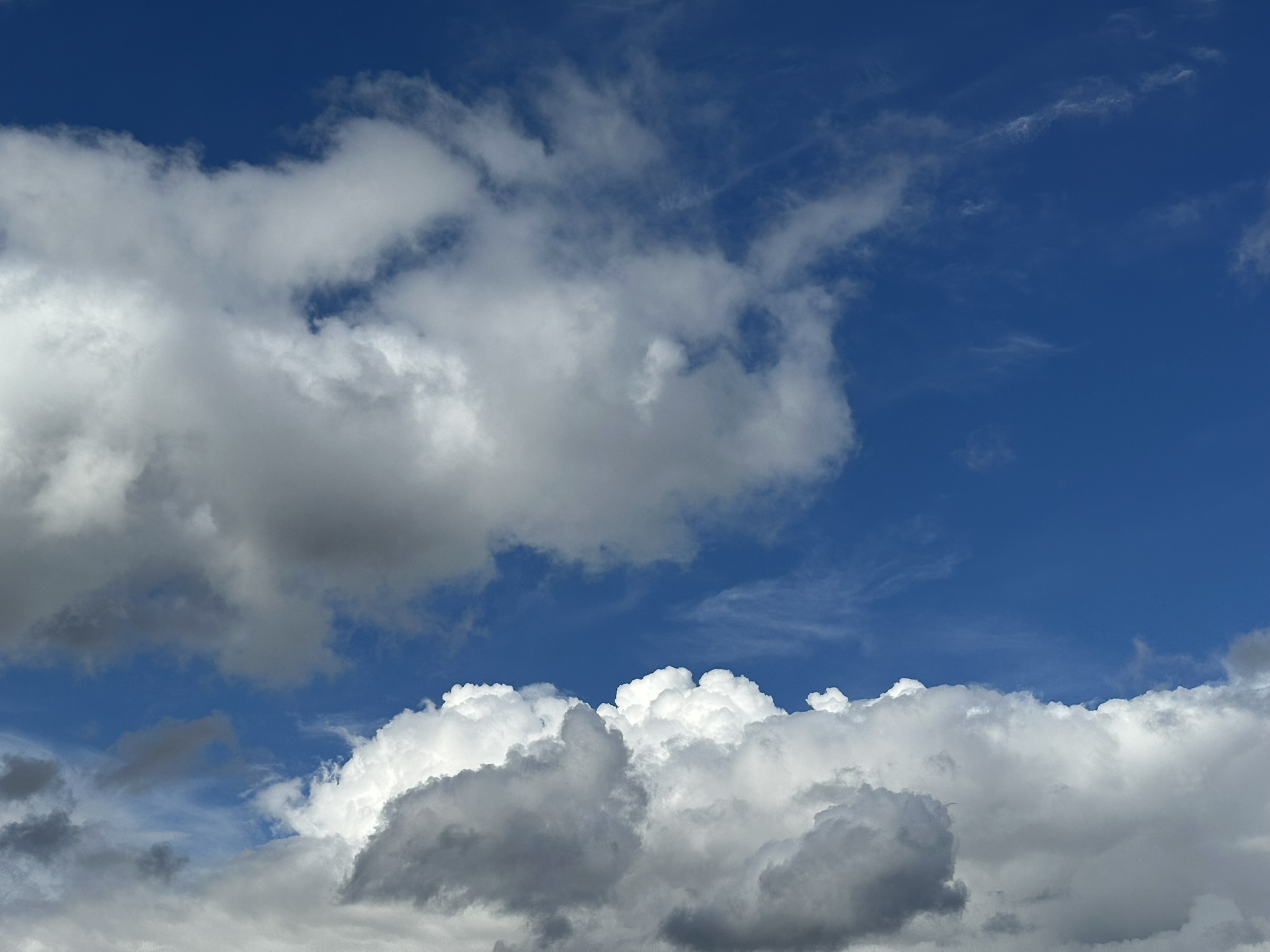
For me, clouds are ideal subjects because they resist stable interpretation. They have no fixed boundaries, no permanent form, and no obvious scale. We might search for patterns within them, projecting order onto ambiguity. Their instability allows them to become a testing ground for questions about perception, representation, and the desire to construct meaning. Unlike…
-

Perception and Consciousness
In my work, I’m interested in how perception works. I like to complicate the act of looking so that you might be able to see the process of seeing. Once you dive into how perception works, you run into the logical question: what is doing the perceiving? What is the nature of the conscious mind?…
-

Where to Start?
My recent work is based on extensive observations of clouds and waves. Rather than a literal depiction of these phenomena, the artwork represents the experience of sustained attention interwoven with a free-associative state of mind that is induced when you look at nature very carefully. Contradictory geometries materialize and dissipate, while fragments of memory intermingle…
-
Cloud Structures
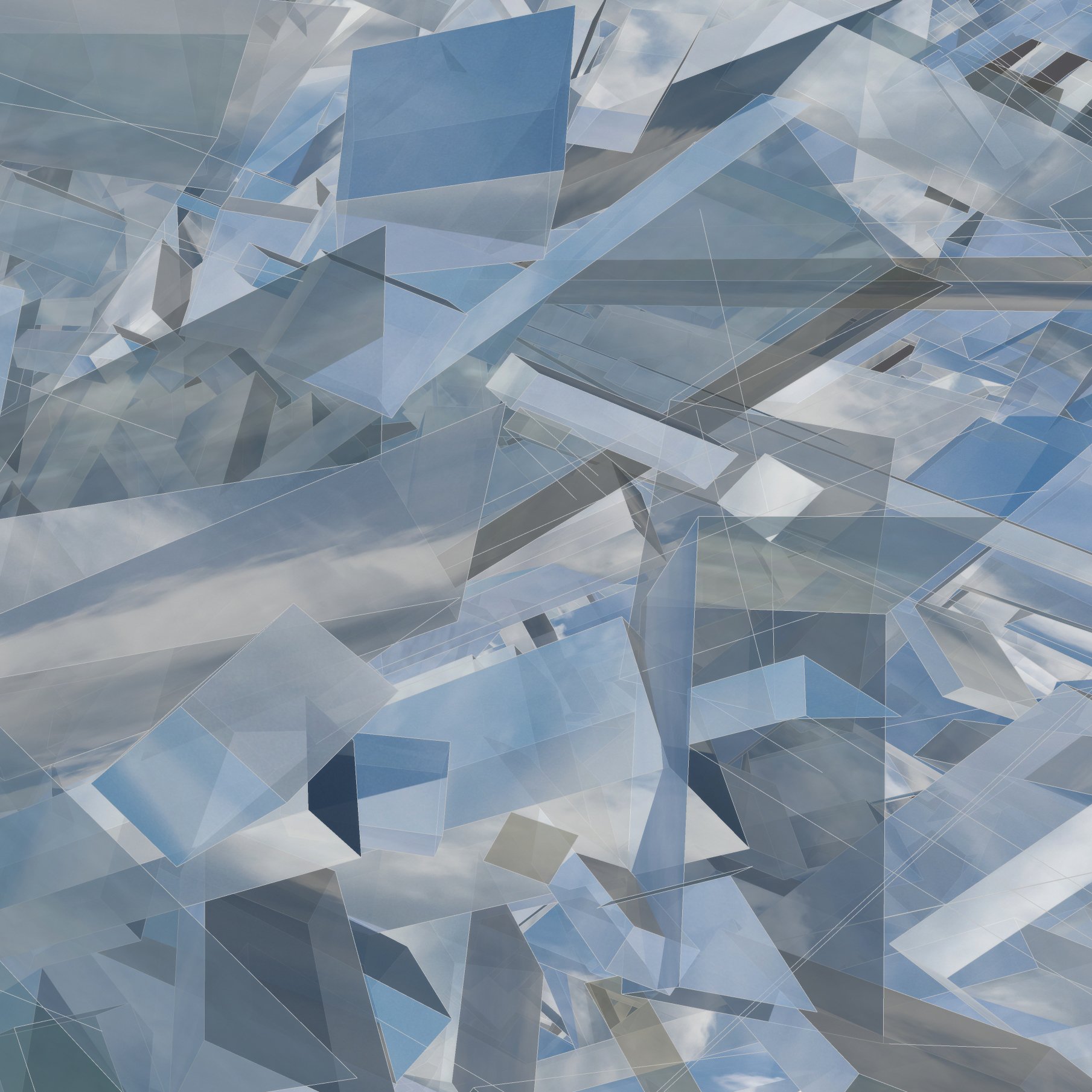
‘Cloud Structures’ You know the feeling when you wake up from a dream and you desperately try to hang on to that amazing idea but it slowly falls apart….
-

Images gathered from the cloud observatory
These crystalline clouds only make sense locally; in small sections. As your eyes move around the geometry runs into contradictions and pieces start to break apart into beautiful chaos!
-

A Question and a Theory
Here’s a question: If the present was percieved as a dimensionless membrane dividing the past from the future, could we experience consciousness? Could a mind exist on such a temporal knife’s edge? That leads to a theory: As a precursor to consciousness, evolution developed in brains a concept of ‘now’ that included a short period…